

THE NEED FOR INTENTIONAL LIVING IN MODERN MOTHERHOOD
Intentional Living for Moms is not just a feel good concept, it’s a strategic approach to reclaiming control, setting priorities, and fostoring a value – aligned life.
In a World that rewards hustle and glorifies busy, the concept of Intentional Living for Moms feels almost rebellious. It doesn’t always mean waking up at 5a.m to journal, or having a perfectly curated home. It’s pausing before we say ” yes” tto yet another obligation. It’s remembering that just because we can multitask doesn’t mean we have to.
Understanting The Concept of Intentional Living

Origns and Philosophy of Intentional Living
The philosophy of Intentional Living is rooted in minimalism, mindfulness, and value-driven decision making.
According to Dr. Erin Leyba, author of Joy Fixes for Weary Parents, “Intentional Living allows moms to direct their time, energy, attention toward what truely matters, rather thanreacting to the urgent.”
Key Principles that Define an Intentional Life
At it’s core, intentional living resolves around:
- Clarity of values -knowing what matters most to you and your family
- Purposeful Choices -Aligning decisions with values
- Mindful Awareness -Staying present rather than operating on autopilot
- Simplicity – Eliminating what doesn’t serve your priorities
- Consistency – Building small habits that reinforce your vision
These principles provide a compass for navigating the complexities of modern motherhood without losing yourself.
The Unique Challenge of Modern Motherhood
The Pace of Modern Life and Its Impact on Moms
While our current culture glorifies busyness, often equating it with worth. For mothers, this can translate into a constant sense of urgency-rushing between school drop-offs, work deadlines, extracurricular activities, and household chores. This relentless pace often leaves no margin for reflection, creativity, or rest
The problem? Without intentional slowing down, life can become a blur, with moments of connection lost in the chaos.
The Digital Overload and the Loss of Prescence
Smartphones, social media, and digital entertainment can be double-edged swords. While they offer connection and inspiration, they also demand constant attention pulling mothers away from face-to-face interactions with their children.
A 2022 study in the Journal of Family Psychology found that high smartphone use among parents correlates with reduced emotional responsiveness to their children highlighting the urgent need for intentional tech boundaries.
Mom Guilt: The Invisible Weight Mothers Carry
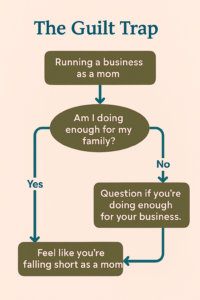
Defining Mom Guilt and It’s Physchological Roots
Mom guilt is a term that has found its way into countless parenting blogs, forums, and even medical research. At its core, it’s the persistent feeling that you’renot doing enough or not doing it well enough for your children.
Phychologically, mom guilt is often fueled by:
- Unrealistic Societal Expectations – Social media hights “perfectmoms,” making real-life imperfection feel like failure.
- Internalized Pressure – Many mothers hold themselves to impossibly high standards, shaped by their upbringing and personal beliefs.
- Role Conflict – Balancing professional aspirations, personal well-being, and parenting can create a sense of constant shortfall.
For working moms, the guilt may center on not being home enough. For stay-at-home moms, it can stem from not contributing financially or from feeling the aren’t doing enough in the home. Rgardless of the scenario, the mental load can be exhaustig.
How Mom Guilt Impacts Mental and Emotional Health
The consquences of chronic mom guilt are more than emotional – they are physiological. Prolonged feelings of inadquacy can:
- Increase stress homone levels, leading to fatigue and irritability.
- Reduce self-esteem, affecting decision-making confidence.
- Contribute to anxiety and depression, which can ripple into the family dynamic.
When mothers operate under constant guilt, they may overcompesate by overscheduling, overgiving, or neglecting their own needs -ironically, making them less available emotionally to their children.
Practical Strategies to Release Mom Guilt
Overcoming mom guilt isn’t about eliminating it completely – it’s about recognizing it for what it is and learning to reframe it.
Some effective strategies include:
- Define your own success metrics – Instead of measuring yourself by society’s standards, identify what a good day looks like for you and your family
- Challenge congnitive distortions – Replace “I’m a bad mom because ….”with “Today was harrd, but I showed up with love and effort.”
- Share your struggles – Talking with other moms help normalize the challenges and reduces the isolation that fuels the guilt.
- Practice self-compassion – Treat yourself with the same kindness you’d extend to a friend.
Prescence in Motherhood: Cultivating Mindful Connection
The Science Behind Mindful Parenting

Mindfulness in motherhood means giving your child your full attention without judgement-whether during playtime, homework, or bedtime stories. It’s about noticing the small details: the way your chid’s eyes light up when they master a skill, or the subtle shift in mood when they’re tired
Mindful parenting is grounded in research from neuroscience and psychology.
Studies show that when parents practice present-moment awareness, children benefit from:
- Higher Emotional Intelligence
- Improved Behavior Regulation
- Stronger Attachment Bonds
Daily Practices for Staying Present with Your Children
Staying present doesn’t require hours of unintrupted time. Instead, it’s about quality over quantity. Some strategies include:
- Gratitude Journals – Write down three things you’re grateful for each night.
- Family Gratitude Circles – Share one thing you appreciated about the day during dinner.
- Mindful Reframing – Instead of “I have to do laundry,” think “I get to care for my family’s needs.”
When practiced consistently, gratitude becomes a lens through which you view your entire motherhood journey – making challenges feel more manageable.
Time Management and Prioritization for Mothers

Identifying Core Values to Guide Priorities
Without clarity on what matters most, it’s easy for mothers to get lost in endless tasks that don’t align with their values.
Start by asking:
What kind of relationship do I want with my children?
What legacy do I want to leave?
Which activities bring me joy and meaning?
When your to-do list reflects these priorities, you’re less likely to feel scattered and more likely to feel fulfilled.
Practical Time Management Frameworks for Moms
Some proven methods include:
- Time Blocking – Assign specific hours for work, home care, and rest
- The Eisenhower Matrix – Distinguish betweenurgent and important tasks to avoid reacting to every demand.
- Batching Tasks – Group similar activities together to save mental energy.
Avoiding Burnout Through Smart Scheduling
Burnout prevention starts with building margin into your day-unscheduled space for rest or spontaneous family time. Overbooking yourself can lead to chronic fatigue, irritability, and diminished patience.
Instead of saying yes to every request, practice intentional no’s-turning down what doesn’t align with your core values.
Intentional Self-Care: Beyond Spa Days and Blue Baths
The Role of Self-Care in Sustainable Motherhood
Self-Care is often potrayed as indulgent-a luxury reserved for rare occassions. In reality, intentional self-care is a necesityfor sustainable motherhood. It’s not about extravagant escapes; it’s about consistently meeting your own physical, emotional, and mental needs so you can show up fully for your family.
Without this, mothers risk entering a state of chronic depletion where patience runs thin, creativity fades, and emotional resilience weakens. In the long run, neglecting self-care can lead to health issues, strained relationships, and diminished joy in parenting.
Building Non-Negotiable Self-Care Habits
Intentional self-care worksbest when its woven into your daily life rather than tacked on as an afterthought. Consider:
Physical Health Routines – Exercise balanced meals, hydration, and regular check-ups.
Social Connections – Friendships and community inolvement that nourist your sense belonging.
Mental Wellness Practices – Journaling, meditation, or therapy to process emotions.
Creative Outlets – Hobbies that bring personal fulfillment beyond motherhood
The key is to treat these as non-negotiables, scheduled into your calendar just like you do any other vital things in your life.
Intentional Living and Personal Growth in Motherhood
How Motherhood Can be a Catalyst for Self-Discovery
Motherhood is a mirror that reflects not only your strength but also your fears, patterns, and beliefs. When approached intentionally, this reflection becomes a catalyst for profound self-discovery.
You may uncover:
- New passions or career aspirations
- Hidden resilience and problem-solving abilities
- A clearer sense of you corer values
This personal growth isn’t separate from motherhood, it’s intergratedinto it. Every challenge becomes an opportunity to refine your character and clarify your life’s direction.
Aligning Your Life with Your Long-term Vision

Intentional Living asks a vital question:
” AM I LIVING BY DESIGN, OR BY DEFAULT?”
To align your life with your long-term vision:
1.Define your ideal future – What do you want look like in 5-10, 0r 20 years?
2. Reverse-engineer your daily habits -Align small, consistent actions with that vision.
3. Regularly reassess – Life changes, and so should your strategies.
When your everyday choices reflect your long-term goals, even mundane tasks feel meaningful because they serve a greater purpose.
Overcoming Barriers to Intentional Living as a Mom
Dealing with Societal Expectations and Judgement
Society often holds rigid ideas of what a good mother looks like – ideas that can be contraditory and unrealistic. One moment, moms are told to be career-driven role models; the next, to prioritize homemaking above all else.
Breaking free from these pressures requires:
Self-trust – Believing your way of mothering is valid.
Selective consumption -Limiting exposure to media that fuels comparision
Confidence in boundaries – Saying no to commitments that don’t align with your values
Building a Supportive Community
Intentional liviving communities, whether through mom groups, church networks, online forums, or local events, sorrounding yourself with like-minded mothers helps you stay accountable to your vision.
Supportive Communities offer:
1. Practical help
2. Emotional encouragement
3. A safe space to share challenges without fear of judgement.

What Other Moms Say About Intentional Living
What does intentional living look like for a stay-at-home mom?
It can mean setting daily routines that reflect your values, creating space for personal growth, and finding meaning in everyday tasks, not just in big milestones.
Can intentional living reduce mom guilt?
Yes. When you live in alignment with your values, you spend less time comparing yourself to others and more time feeling confident in your choices.
Is intentional self-care selfish?
Not at all. Meeting your own needs allows you to show up with energy, patience, and joy for your family. It's an act of love, not selfishness.
How can working moms live more intentionally
By aligning work schedules with family priorities, setting boundaries to protect home time, and making small daily rituals for connection.
How do I start practicing gratitude as a busy mom?
Begin with one daily practice , such as writing down three things you're thanful for or sharing grat
What's the first step toward personal growth in motherhood
Start with self-reflection. Identify your values, assess how your current life aligns with them, and make small adjustments to move closer to your vision.